


Vasili Alexandrovich Arkhipov (30 January 1926 â 19 August 1998) was a Soviet naval officer. During the Cuban Missile Crisis, he prevented the launch of a nuclear torpedo and therefore a possible nuclear war. Thomas Blanton (then director of the National Security Archive) said in 2002 that “a guy called Vasili Arkhipov saved the world.”
On 27 October 1962, during the Cuban Missile Crisis, a group of eleven United States Navy destroyers and the aircraft carrier USS Randolph located the diesel-powered nuclear-armed Soviet Foxtrot-class submarine B-59 near Cuba. Despite being in international waters, the Americans started dropping practice depth charges, explosives intended to force the submarine to come to the surface for identification. There had been no contact from Moscow for a number of days and, although the submarine’s crew had earlier been picking up U.S. civilian radio broadcasts, once B-59 began attempting to hide from its U.S. Navy pursuers, it was too deep to monitor any radio traffic, so those on board did not know whether war had broken out. The captain of the submarine, Valentin Grigorievitch Savitsky, believing that a war might already have started, wanted to launch a nuclear torpedo.
Unlike the other subs in the flotilla, on board the B-59 three officers had to agree unanimously to authorize the launch: Captain Savitsky; the political officer Ivan Semonovich Maslennikov; and the second-in-command Arkhipov. Typically, Russian submarines that were armed with the “Special Weapon” only required the captain to get authorization from the political officer if he felt it was necessary to launch the nuclear torpedo, but due to his position as flotilla commander, the B-59’s captain was also required to gain Akrhipov’s approval. An argument broke out among the three, in which only Arkhipov was against the launch.
Although Arkhipov was only second-in-command of submarine B-59, he was commander of the entire flotilla of submarines, including B-4, B-36 and B-130, and equal in rank to Captain Savitsky. According to author Edward Wilson, the reputation Arkhipov gained from his courageous conduct in the previous year’s Soviet submarine K-19 incident also helped him prevail in the debate. Arkhipov eventually persuaded Savitsky to surface the submarine and await orders from Moscow. This action effectively averted the nuclear warfare which most likely would have ensued had the torpedo been fired. The submarine’s batteries had run very low and the air-conditioning had failed, so it was forced to surface amidst its U.S. pursuers and head home. Washington’s message that practice depth charges were being used to signal the submarines to surface never reached B-59, and Moscow claims it has no record of receiving it either.
(read more) (the man who saved the world)
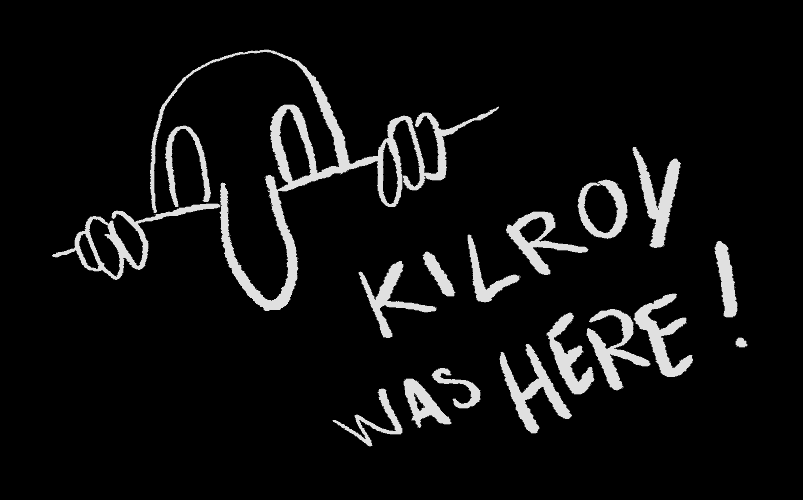
Kilroy was here is an American popular culture expression that became popular during World War II; it is typically seen in graffiti. Its origins are debated, but the phrase and the distinctive accompanying doodle â a bald-headed man (sometimes depicted as having a few hairs) with a prominent nose peeking over a wall with the fingers of each hand clutching the wall â became associated with GIs in the 1940s.
In the United Kingdom, the graffiti is known as “Mr Chad” or just “Chad”, and the Australian equivalent to the phrase is “Foo was here”. “Foo was here” might date from World War I, and the character of Chad may have derived from a British cartoonist in 1938, possibly pre-dating “Kilroy was here”. Etymologist Dave Wilton says, “Some time during the war, Chad and Kilroy met, and in the spirit of Allied unity merged, with the British drawing appearing over the American phrase.” “Foo was here” became popular amongst Australian schoolchildren of post-war generations. Other names for the character include Smoe, Clem, Flywheel, Private Snoops, Overby, The Jeep (as both characters had sizable noses), and Sapo.
Author Charles Panati says that in the United States “the mischievous face and the phrase became a national joke… The outrageousness of the graffiti was not so much what it said, but where it turned up.” The major Kilroy graffiti fad ended in the 1950s, but today people all over the world still scribble the character and “Kilroy was here” in schools, trains, and other similar public areas.
It is believed that James J. Kilroy was the origin of the expression, as he used the phrase when checking ships at the Fore River Shipyard. (read more) (fubar, snafu) (snafu cartoon)
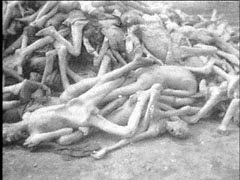
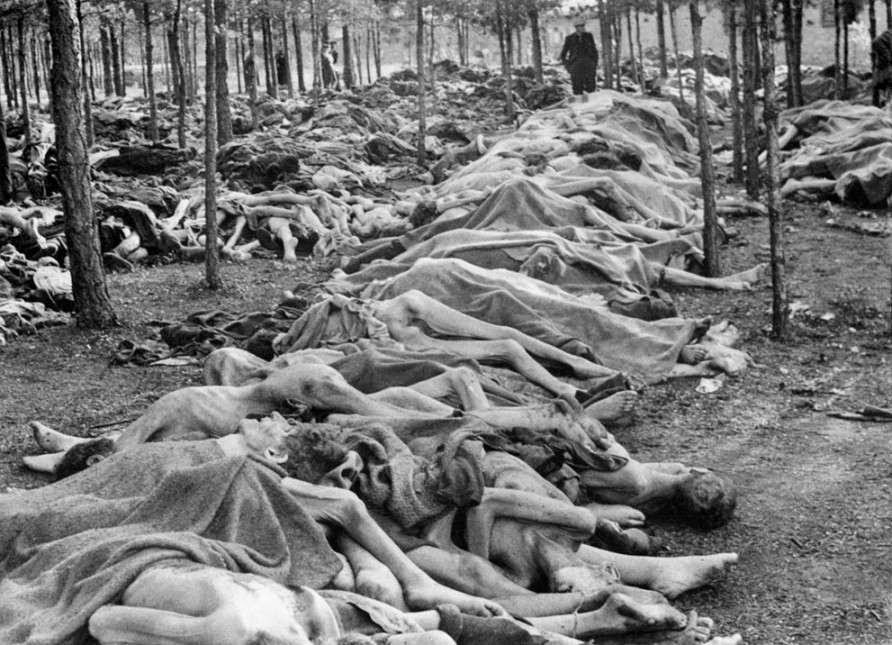
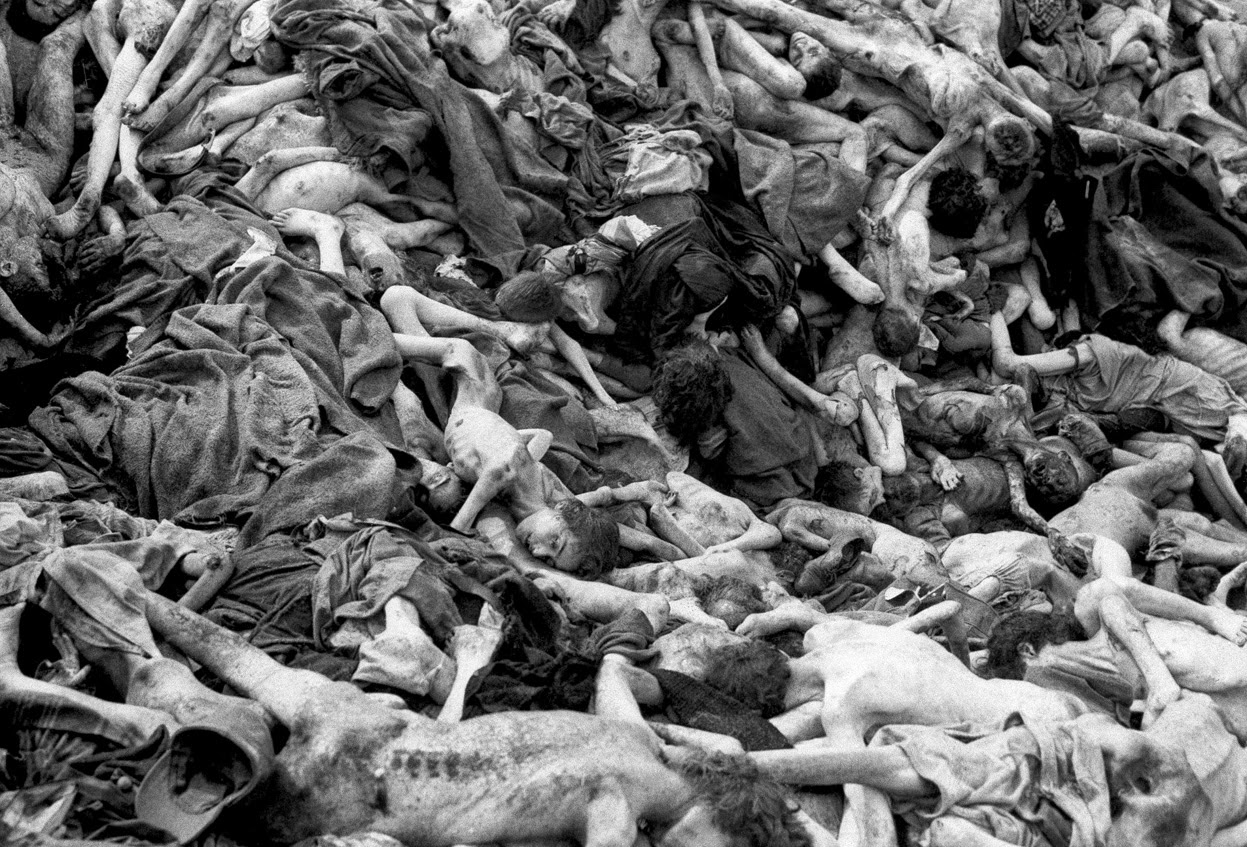
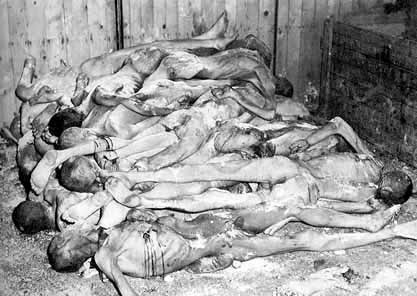
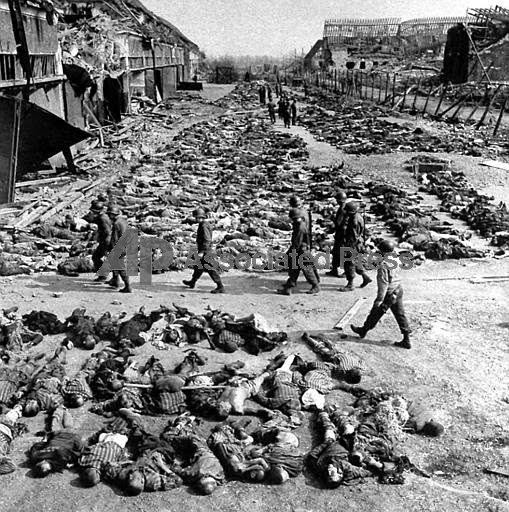
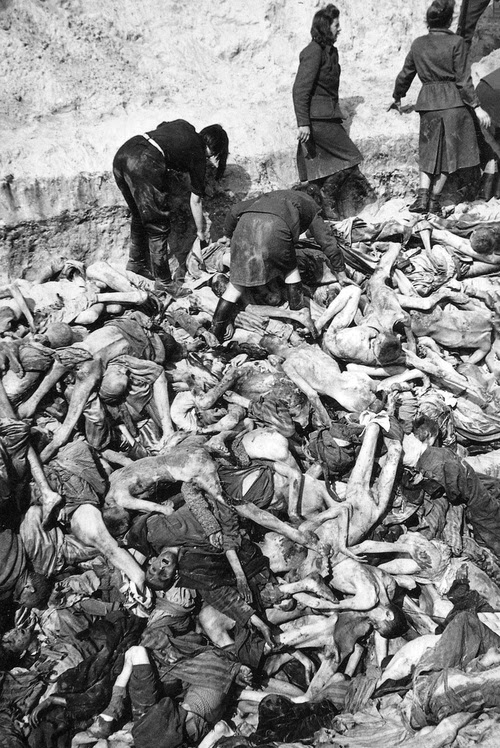
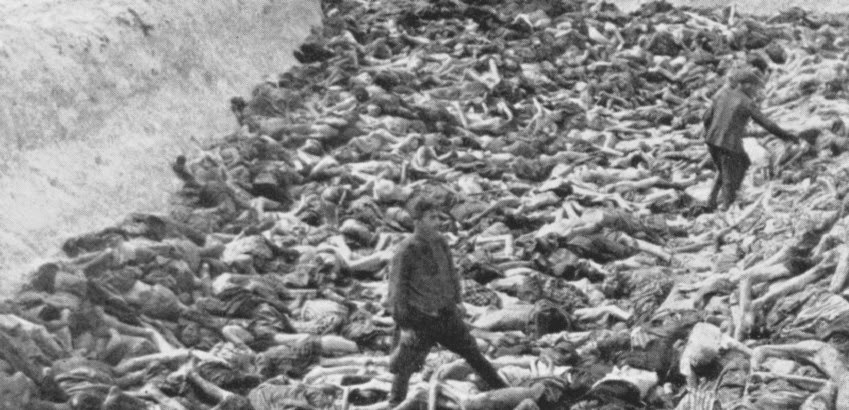
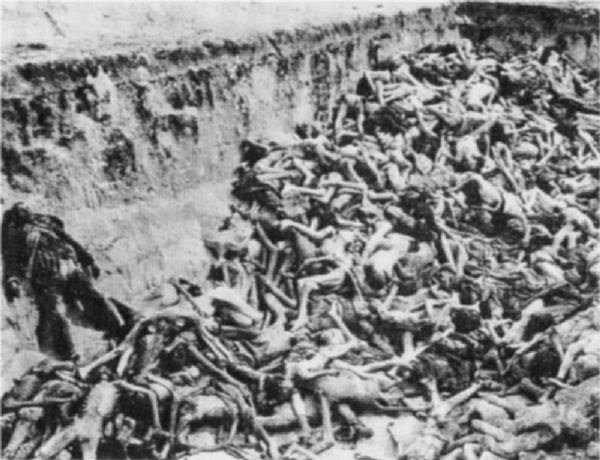
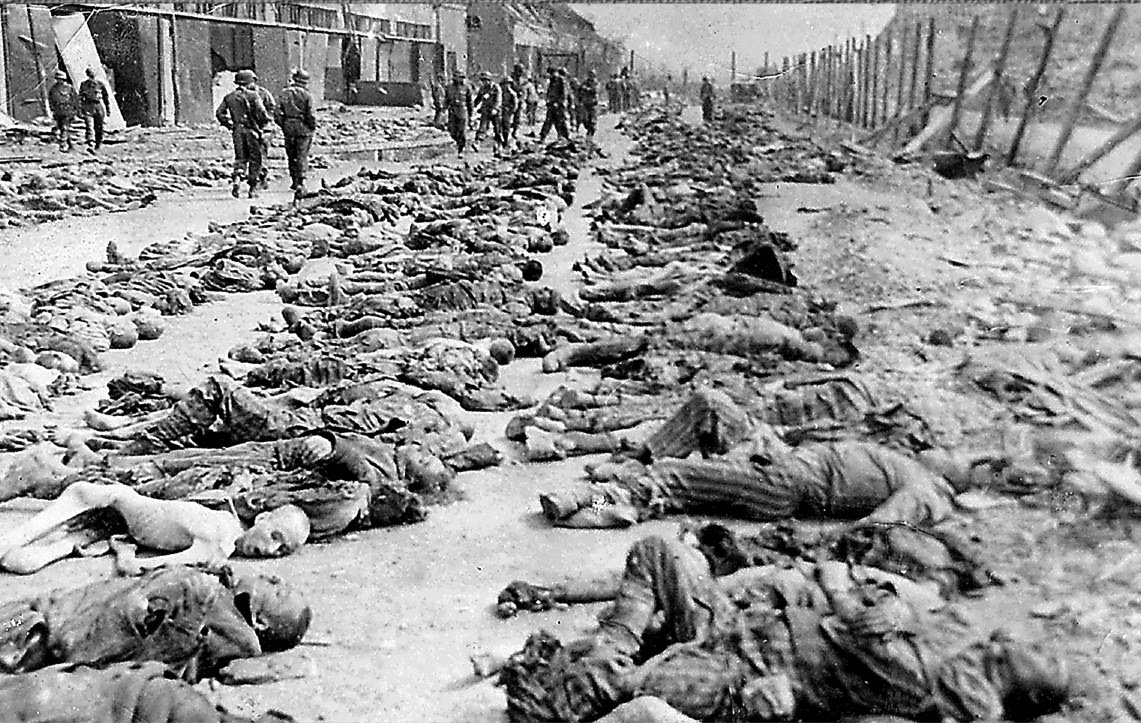
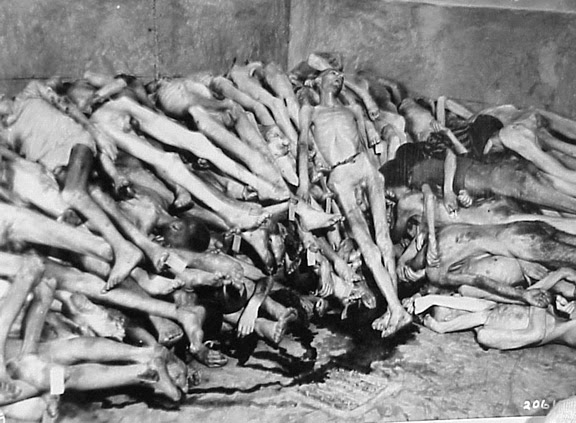
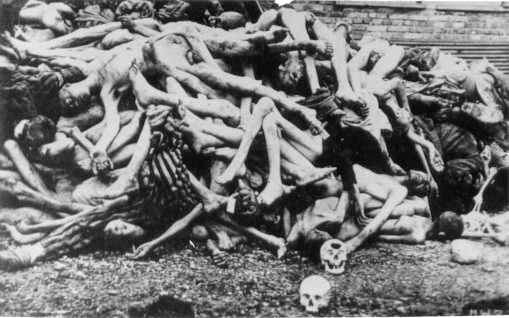
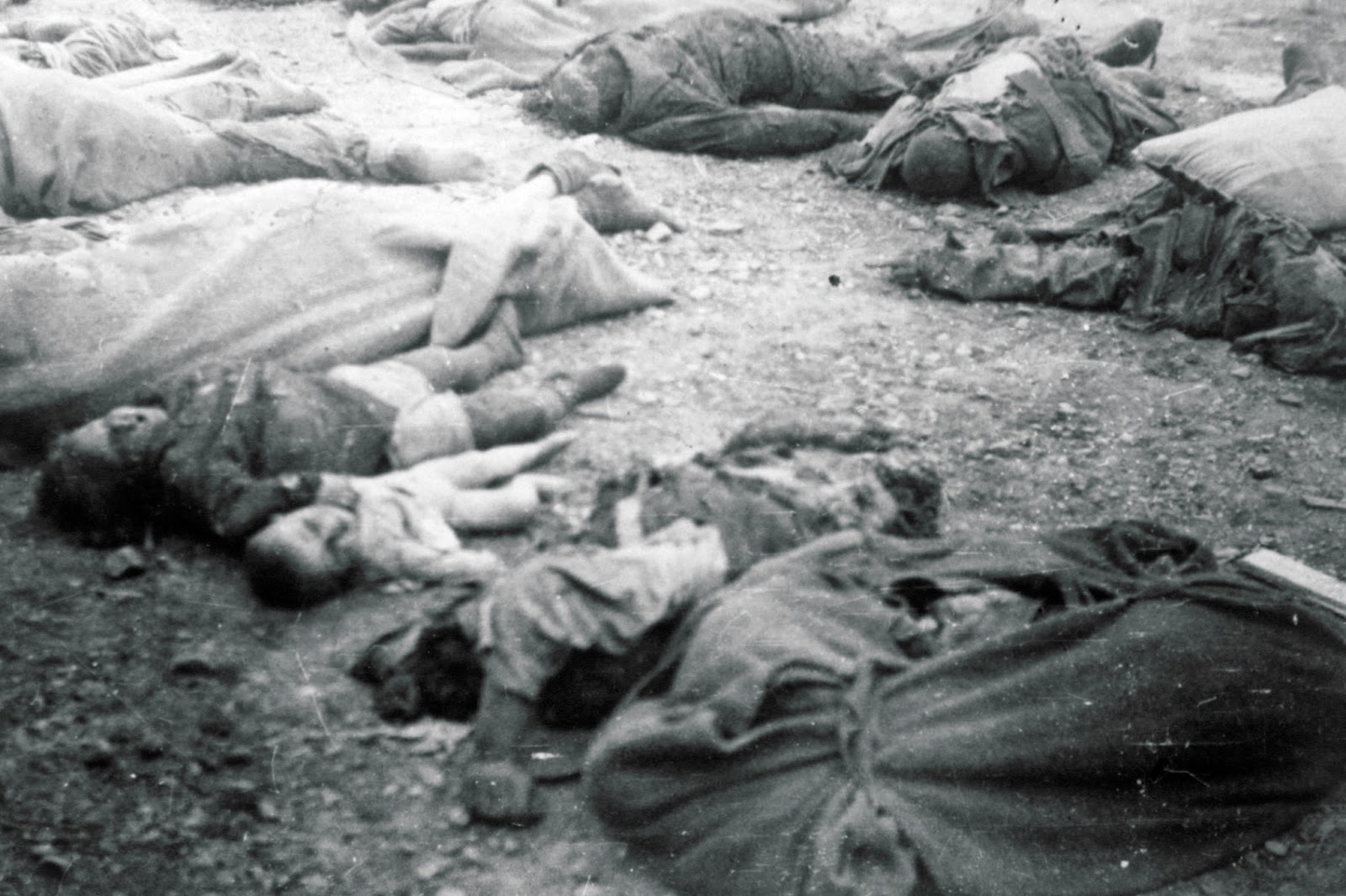
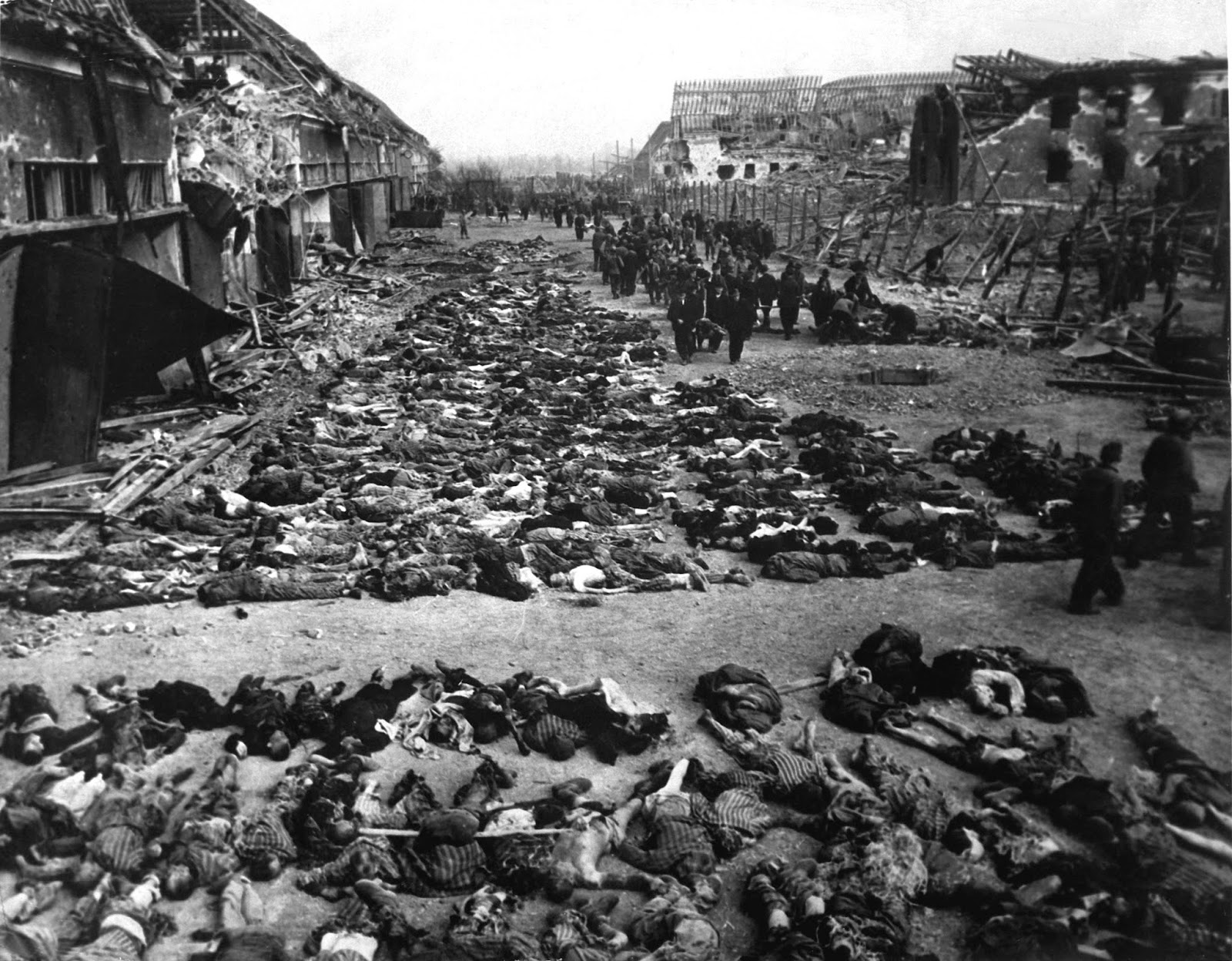
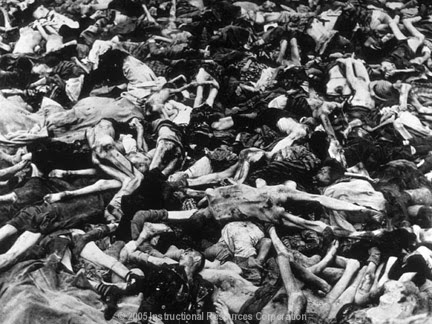
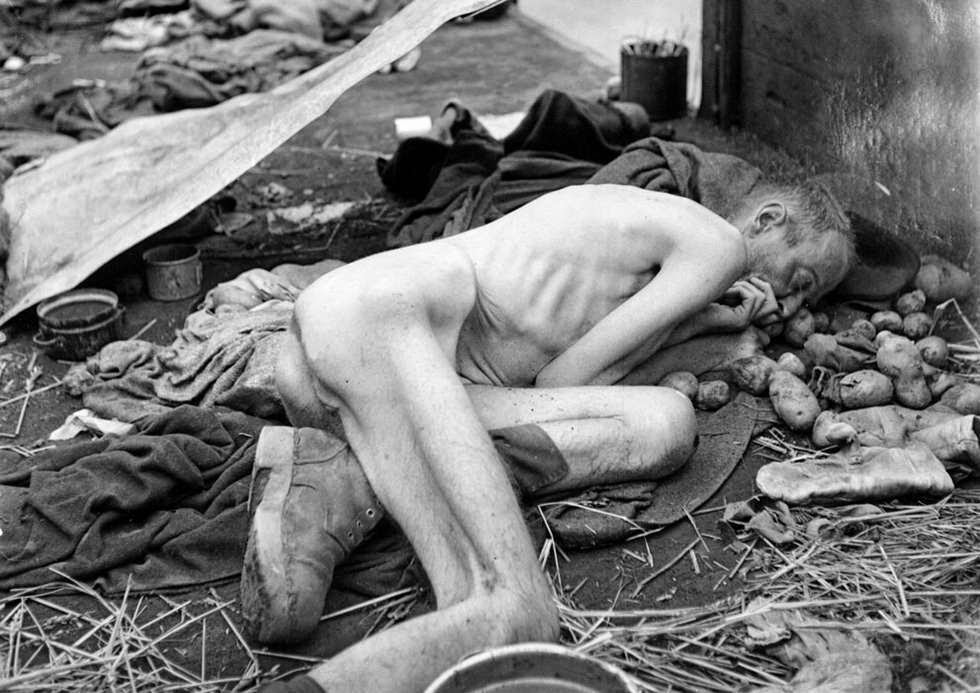
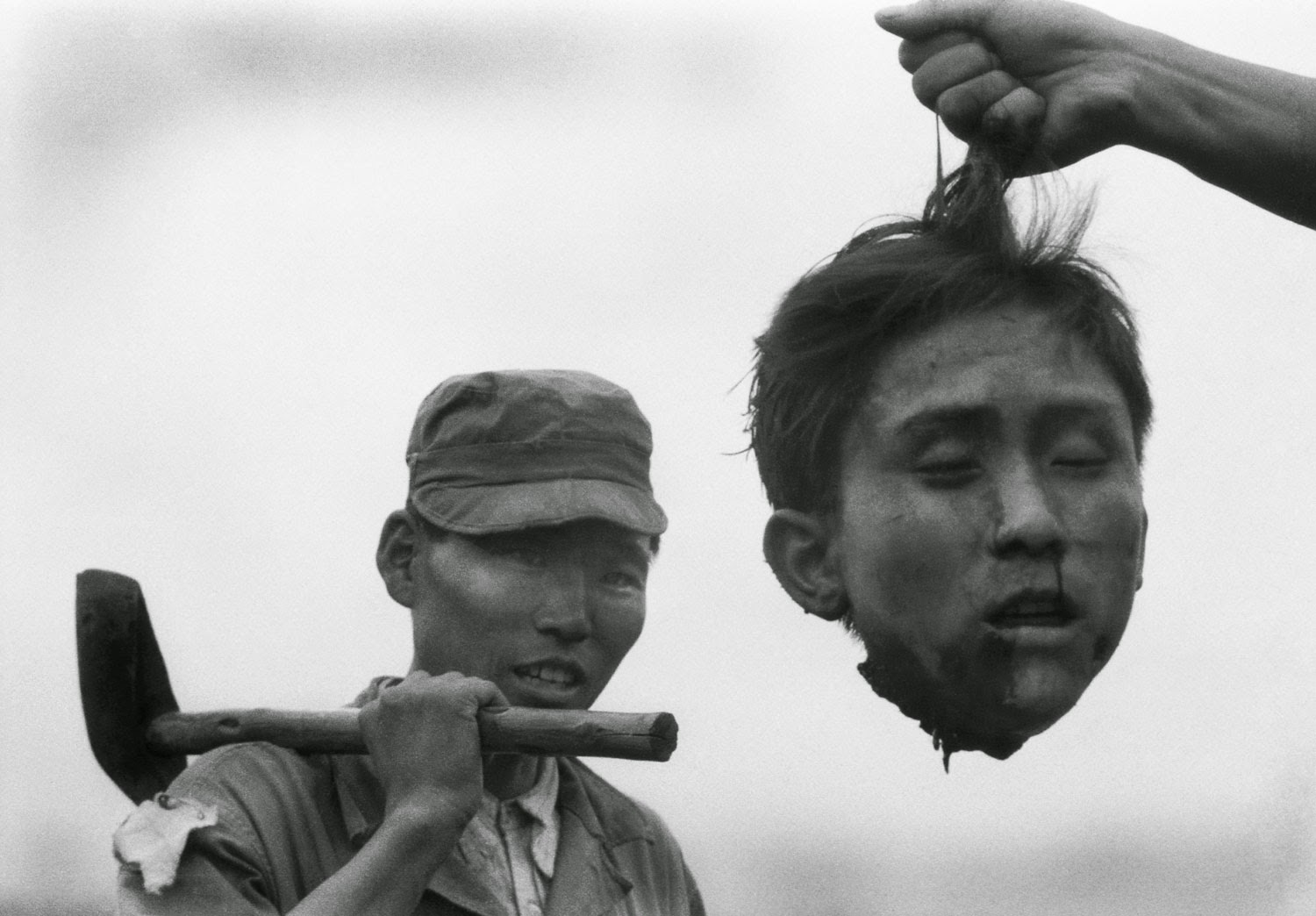
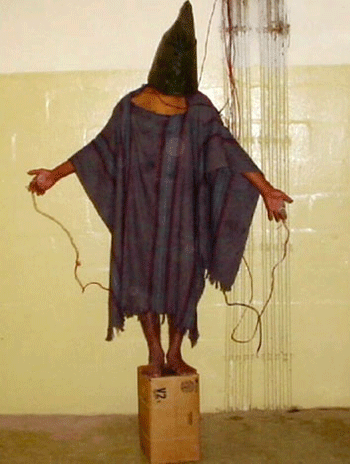
The truth
won’t change
just because
you got offended !

“They train young men to drop fire on people,
but their commanders won’t allow them to write
FUCK, on their airplanes because, it’s obscene!”
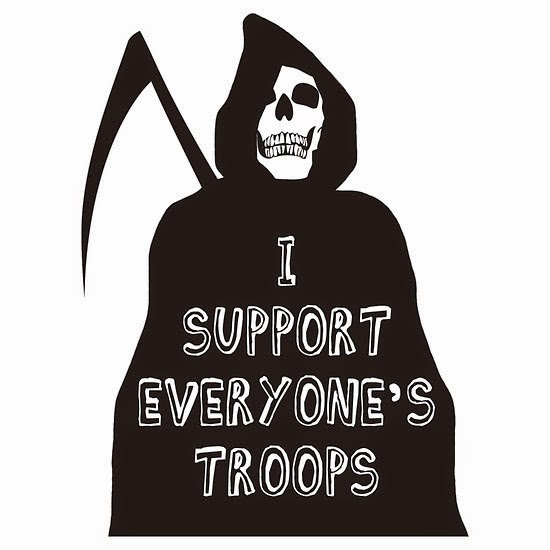

Ban Ki-moon has called on nations to do more to protect the environment from the destruction of war, but even in times of peace our militaries have a huge impact on natural resources
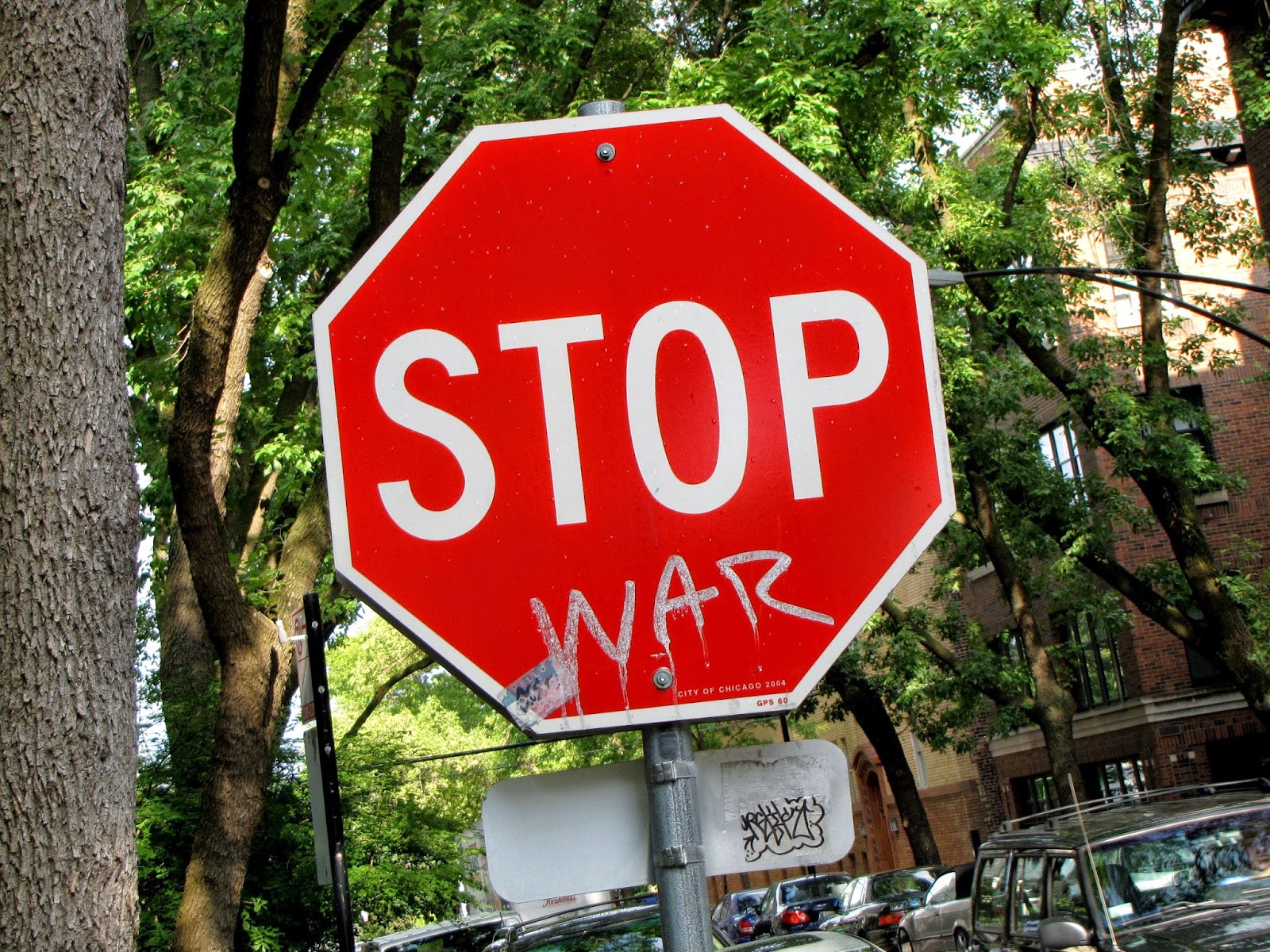

They go to fight for freedom,
but they are dying for conquest !!!


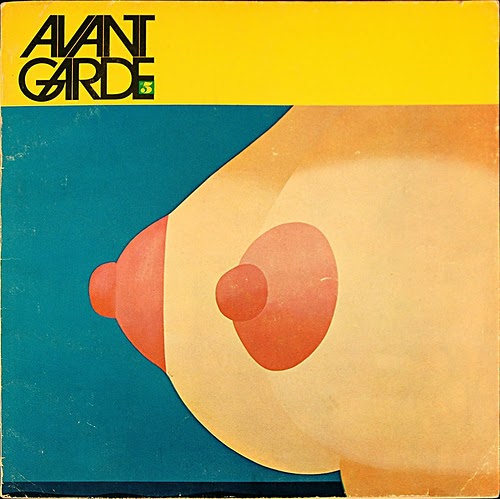
60’s Peace Poster

A shell shocked reindeer
looks on as World War II planes
drop bombs on Russia in 1941
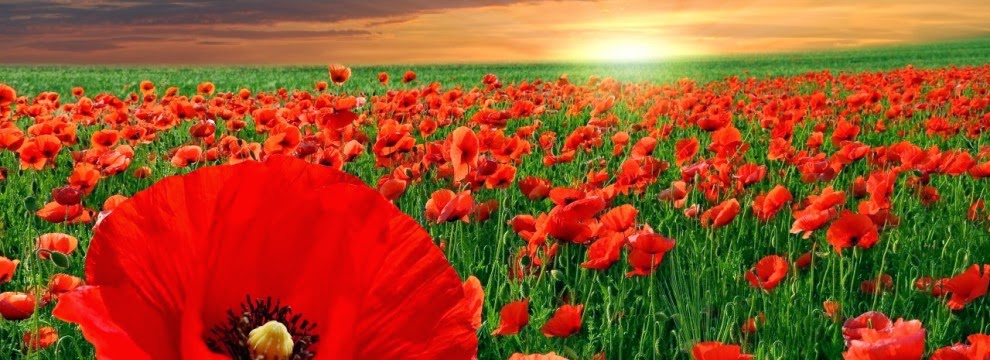
In Flanders fields the poppies blow
Between the crosses, row on row,
That mark our place; and in the sky
The larks, still bravely singing, fly
Scarce heard amid the guns below.
Between the crosses, row on row,
That mark our place; and in the sky
The larks, still bravely singing, fly
Scarce heard amid the guns below.
We are the Dead. Short days ago
We lived, felt dawn, saw sunset glow,
Loved and were loved, and now we lie,
In Flanders fields.
Take up our quarrel with the foe:
To you from failing hands we throw
The torch; be yours to hold it high.
If ye break faith with us who die
We shall not sleep, though poppies grow
In Flanders fields.