

The Nanking Massacre or Nanjing Massacre, also known as the Rape of Nanking, was a mass murder, and war rape that occurred during the six-week period following the Japanese capture of the city of Nanjing (Nanking), the former capital of the Republic of China, on December 13, 1937 during the Second Sino-Japanese War. During this period hundreds of thousands of Chinese civilians and disarmed soldiers were murdered by soldiers of the Imperial Japanese Army. Widespread rape and looting also occurred. Historians and witnesses have estimated that 250,000 to 300,000 people were killed. Several of the key perpetrators of the atrocities, at the time labelled as war crimes, were later tried and found guilty at the Nanjing War Crimes Tribunal, and were subsequently executed. Another key perpetrator, Prince Asaka, a member of the Imperial Family, escaped prosecution by having earlier been granted immunity by the Allies.
Eyewitness accounts of Westerners and Chinese present at Nanking in the weeks after the fall of the city state that over the course of six weeks following the fall of Nanking, Japanese troops engaged in rape, murder, theft, arson, and other war crimes. Some of these accounts came from foreigners who opted to stay behind in order to protect Chinese civilians from harm, including the diaries of John Rabe and American Minnie Vautrin. Other accounts include first-person testimonies of the Nanking Massacre survivors, eyewitness reports of journalists (both Western and Japanese), as well as the field diaries of military personnel. American missionary John Magee stayed behind to provide a 16 mm film documentary and first-hand photographs of the Nanking Massacre.
The International Military Tribunal for the Far East estimated that 20,000 women were raped, including infants and the elderly. A large portion of these rapes were systematized in a process where soldiers would search door-to-door for young girls, with many women taken captive and gang raped. The women were often killed immediately after being raped, often through explicit mutilation or by stabbing a bayonet, long stick of bamboo, or other objects into the vagina. Young children were not exempt from these atrocities, and were cut open to allow Japanese soldiers to rape them.
On 19 December 1937, Reverend James M. McCallum wrote in his diary:
I know not where to end. Never I have heard or read such brutality. Rape! Rape! Rape! We estimate at least 1,000 cases a night, and many by day. In case of resistance or anything that seems like disapproval, there is a bayonet stab or a bullet … People are hysterical … Women are being carried off every morning, afternoon and evening. The whole Japanese army seems to be free to go and come as it pleases, and to do whatever it pleases.
Pregnant women were a target of murder, as they would often be bayoneted in the stomach, sometimes after rape. Tang Junshan, survivor and witness to one of the Japanese armyâs systematic mass killings, testified:
The seventh and last person in the first row was a pregnant woman. The soldier thought he might as well rape her before killing her, so he pulled her out of the group to a spot about ten meters away. As he was trying to rape her, the woman resisted fiercely … The soldier abruptly stabbed her in the belly with a bayonet. She gave a final scream as her intestines spilled out. Then the soldier stabbed the fetus, with its umbilical cord clearly visible, and tossed it aside. (read more)


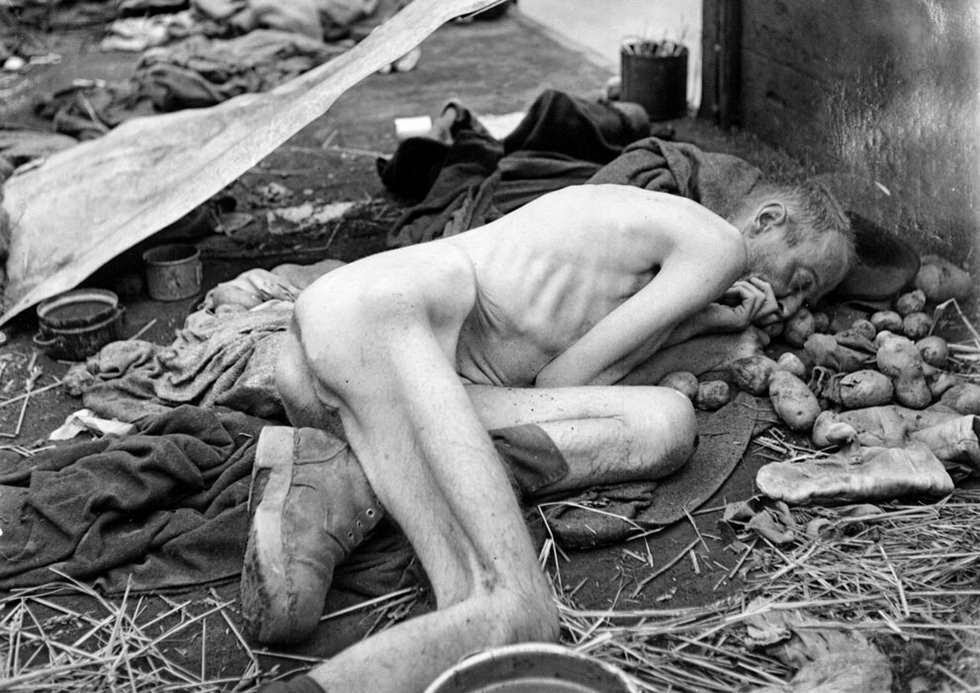
Unit 731 was a covert biological and chemical warfare research and development unit of the Imperial Japanese Army that undertook lethal human experimentation during the Second Sino-Japanese War (1937â1945) of World War II. It was responsible for some of the most notorious war crimes carried out by Japan.
Instead of being tried for war crimes after the war, the researchers involved in Unit 731 were secretly given immunity by the U.S. in exchange for the data they gathered through human experimentation. Others that Soviet forces managed to arrest first were tried at the Khabarovsk War Crime Trials in 1949.
Americans did not try the researchers so that the information and experience gained in bio-weapons could be co-opted into the U.S. biological warfare program, as had happened with Nazi researchers in Operation Paperclip. On 6 May 1947, Douglas MacArthur, as Supreme Commander of the Allied Forces, wrote to Washington that “additional data, possibly some statements from General Shiro Ishii probably can be obtained by informing Japanese involved that information will be retained in intelligence channels and will not be employed as ‘War Crimes’ evidence.” Victim accounts were then largely ignored or dismissed in the West as communist propaganda. (read more)


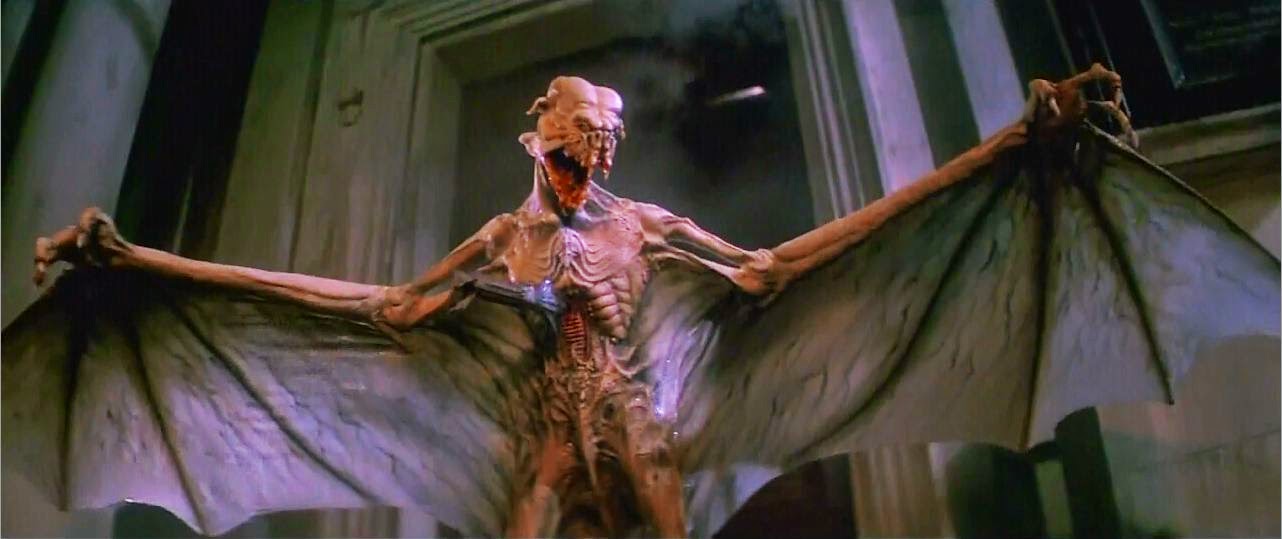

Frankenstein; or, The Modern Prometheus, is a novel written by English author Mary Shelley about eccentric scientist Victor Frankenstein, who creates a grotesque but sentient creature in an unorthodox scientific experiment. Shelley started writing the story when she was eighteen, and the novel was published when she was twenty. The first edition was published anonymously in London in 1818. Shelley’s name appears on the second edition, published in France in 1823.
Shelley had travelled through Europe in 1814, journeying along the river Rhine in Germany with a stop in Gernsheim which is just 17 km (10 mi) away from Frankenstein Castle, where two centuries before an alchemist was engaged in experiments. Later, she traveled in the region of Geneva (Switzerland)âwhere much of the story takes placeâand the topics of galvanism and other similar occult ideas were themes of conversation among her companions, particularly her lover and future husband, Percy Shelley. Mary, Percy, Lord Byron, and John Polidori decided to have a competition to see who could write the best horror story. After thinking for days, Shelley dreamt about a scientist who created life and was horrified by what he had made; her dream later evolved into the story within the novel.
Frankenstein is infused with elements of the Gothic novel and the Romantic movement and is also considered to be one of the earliest examples of science fiction. Brian Aldiss has argued that it should be considered the first true science fiction story, because unlike in previous stories with fantastical elements resembling those of later science fiction, the central character “makes a deliberate decision” and “turns to modern experiments in the laboratory” to achieve fantastic results. It has had a considerable influence across literature and popular culture and spawned a complete genre of horror stories, films, and plays.
Since publication of the novel, the name “Frankenstein” is often used to refer to the monster itself, as is done in the stage adaptation by Peggy Webling. This usage is sometimes considered erroneous, but usage commentators regard the monster sense of “Frankenstein” as well-established and an acceptable usage. In the novel, the monster is identified via words such as “creature”, “monster”, “fiend”, “wretch”, “vile insect”, “daemon”, “being”, and “it”. Speaking to Victor Frankenstein, the monster refers to himself as “the Adam of your labours”, and elsewhere as someone who “would have” been “your Adam”, but is instead “your fallen angel.” (read more)

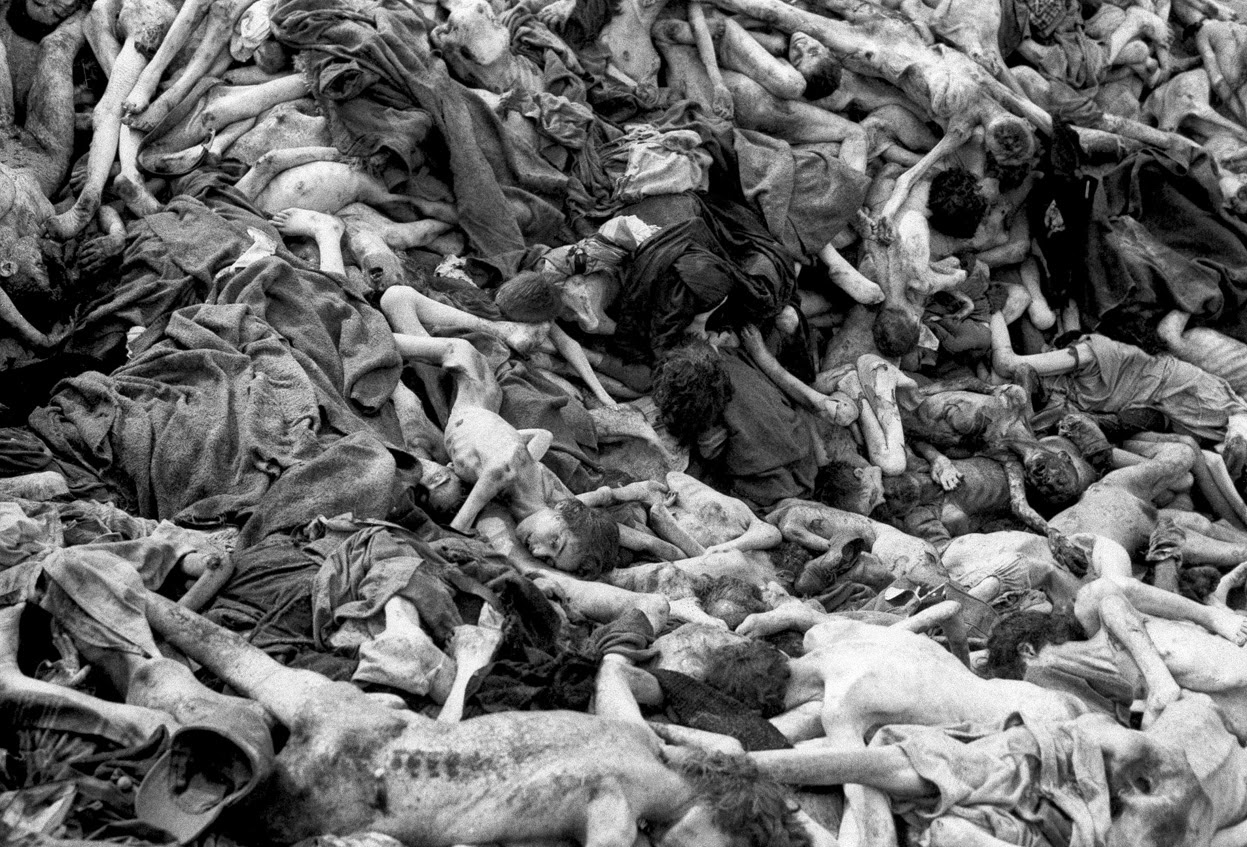
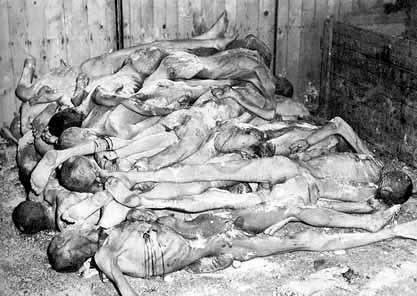
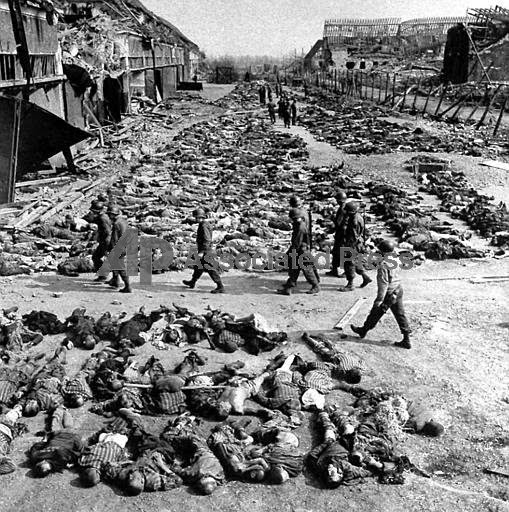
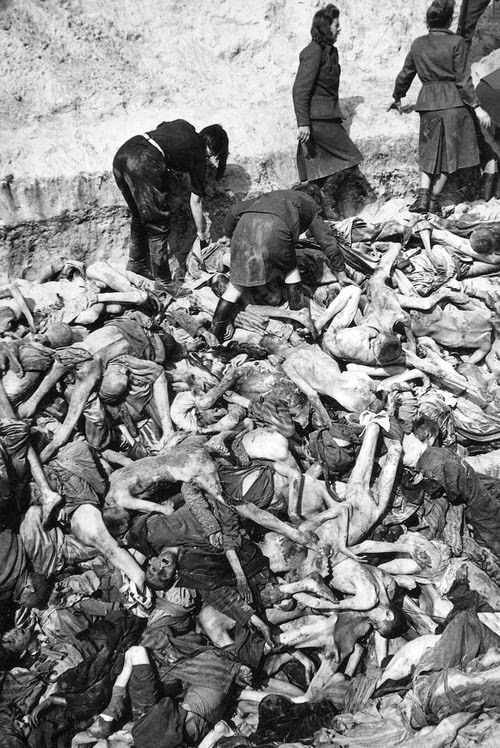
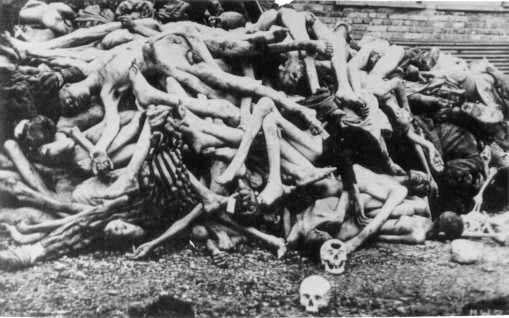
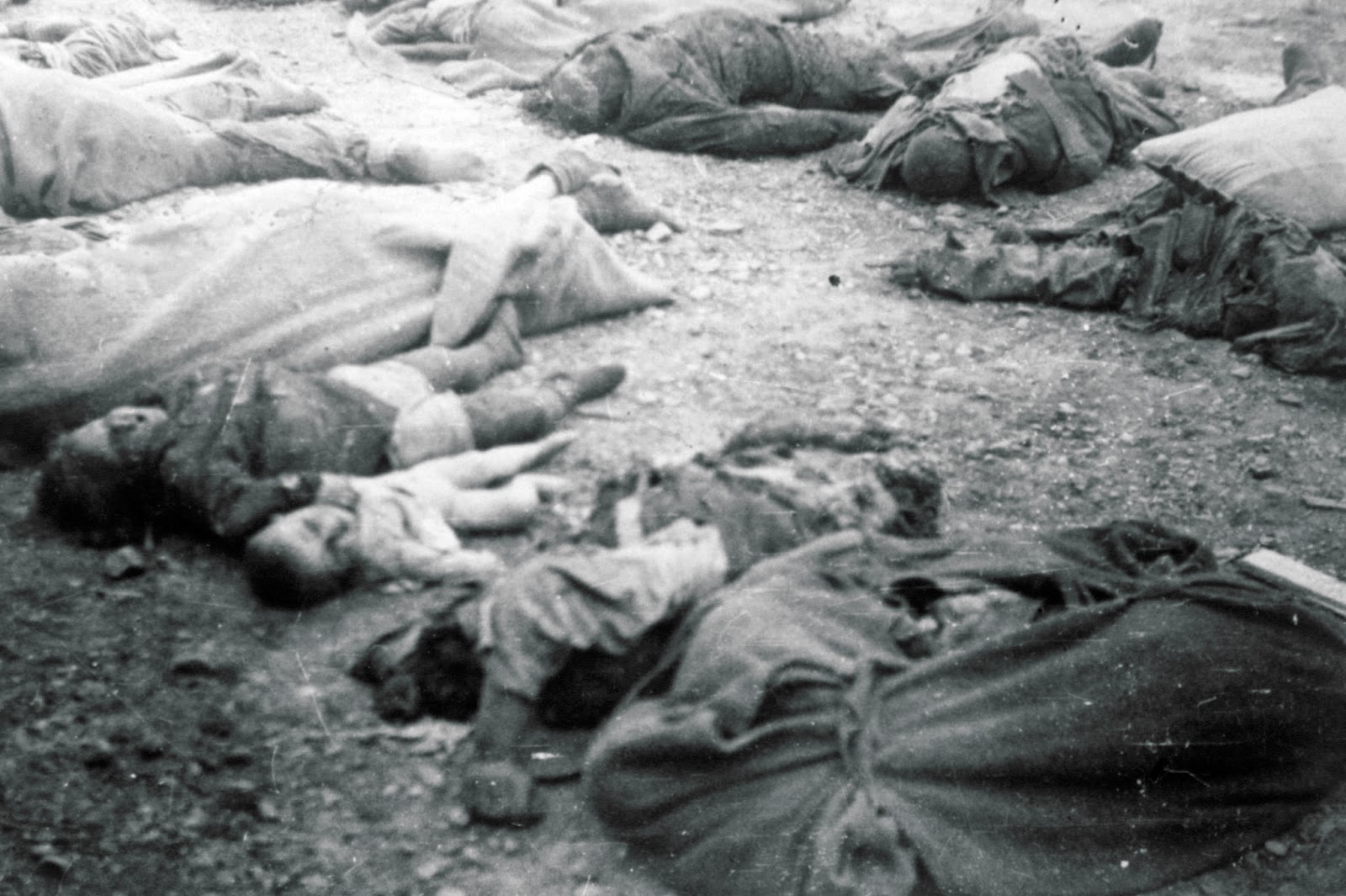
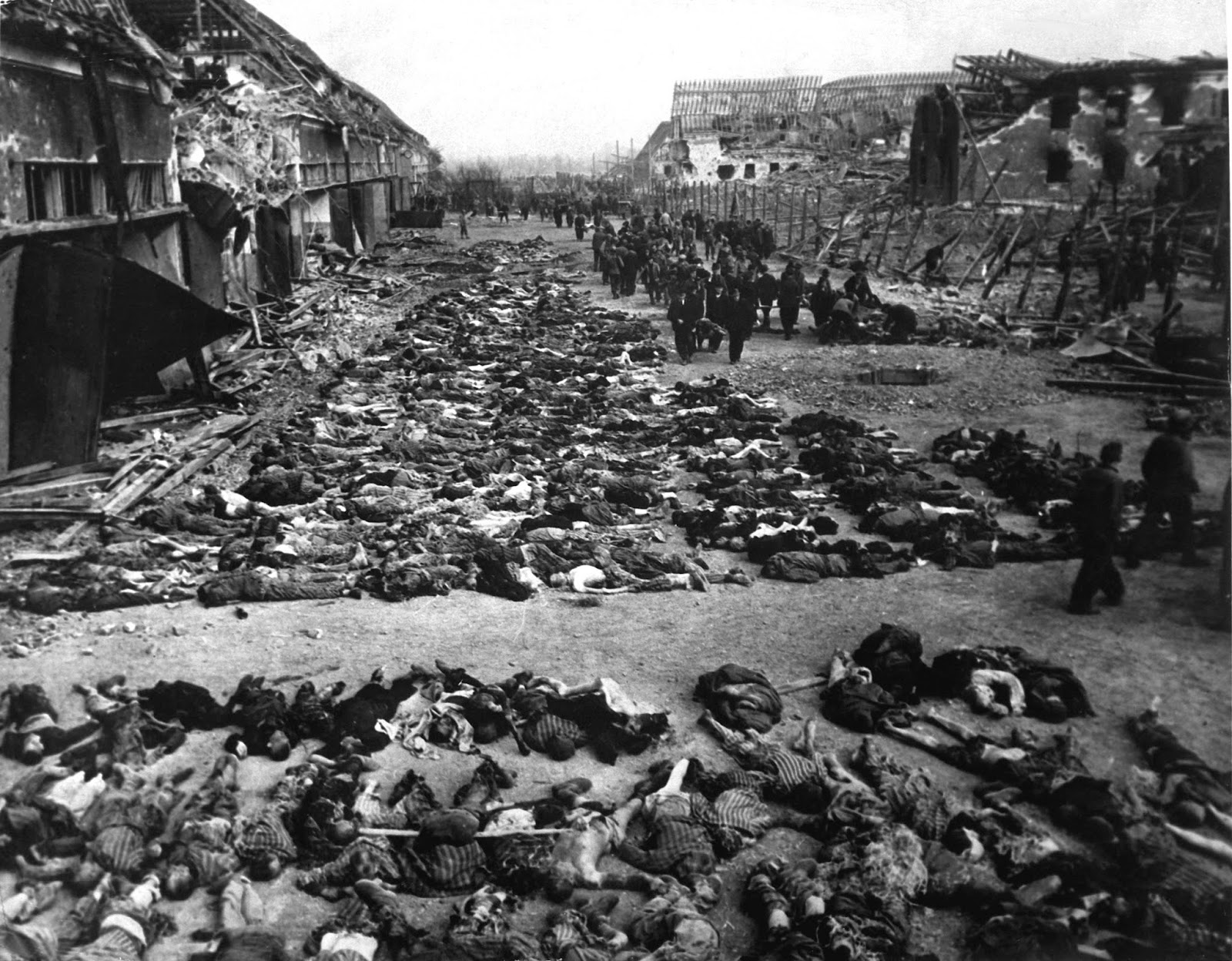

but their commanders won’t allow them to write
FUCK, on their airplanes because, it’s obscene!”


“Art is a lie that makes us realize the truth”
Arguably Picassoâs most famous work is his depiction of the German bombing of Guernica during the Spanish Civil WarâGuernica. This large canvas embodies for many the inhumanity, brutality and hopelessness of war. Asked to explain its symbolism, Picasso said, “It isnât up to the painter to define the symbols. Otherwise it would be better if he wrote them out in so many words! The public who look at the picture must interpret the symbols as they understand them.”

of steel frame buildings has one ever “collapsed”…
withstanding fires for 24 hours
none has ever “collapsed”…
but on september 11th, 2001
three steel frame buildings “collapsed”…
what are the odds ?…

“Guernica” by Pablo Picasso.
Guernica was created in response to the bombing of Guernica, Basque Country, by German and Italian warplanes at the behest of the Spanish Nationalist forces, on 26 April 1937, during the Spanish Civil War. The Spanish Republican government commissioned Picasso to create a large mural for the Spanish display at the Paris International Exposition at the 1937 World’s Fair in Paris.
Guernica shows the tragedies of war and the suffering it inflicts upon individuals, particularly innocent civilians. This work has gained a monumental status, becoming a perpetual reminder of the tragedies of war, an anti-war symbol, and an embodiment of peace. On completion Guernica was displayed around the world in a brief tour, becoming famous and widely acclaimed. This tour helped bring the Spanish Civil War to the world’s attention.
While living in Nazi-occupied Paris during World War II, Picasso suffered harassment from the Gestapo. One officer allegedly asked him, upon seeing a photo of Guernica in his apartment, “Did you do that?” Picasso responded, “No, you did.” (read more)

Cool new website http://eyeearbrain.webs.com/
Daily inspiration for spooky music, cult film and weird ideas…

The Wicker Man is a 1973 British film, combining thriller, horror and musical genres, directed by Robin Hardy and written by Anthony Shaffer. The film stars Edward Woodward, Christopher Lee, Diane Cilento, Ingrid Pitt, and Britt Ekland. Paul Giovanni composed the soundtrack. The film is now considered a cult classic.
The Wicker Man – Trailer
Inspired by the basic scenario of David Pinner’s 1967 novel The Ritual, the story centres on the visit of Police Sergeant Neil Howie to the isolated island of Summerisle, in search of a missing girl the locals claim never existed. Howie is a devout Christian, and is appalled by a religion loosely inspired by Celtic paganism practised by the inhabitants of the island.
The Wicker Man is generally well regarded by critics and film enthusiasts. Film magazine Cinefantastique described it as “The Citizen Kane of Horror Movies”, and during 2004 the magazine Total Film named The Wicker Man the sixth greatest British film of all time. It also won the 1978 Saturn Award for Best Horror Film. A scene from this film was #45 on Bravo’s 100 Scariest Movie Moments.
In his 2010 BBC documentary series A History of Horror, writer and actor Mark Gatiss referred to the film as a prime example of a short-lived sub-genre he called “folk horror”, grouping it with 1968’s Witchfinder General and 1971’s Blood on Satan’s Claw.
The Wicker Man (1973 film) – Wikipedia, the free encyclopedia
Willow's Song
more video
The Maypole Dance from The Wicker Man
The Landlord's Daughter
