Distributism
A third-way that works.
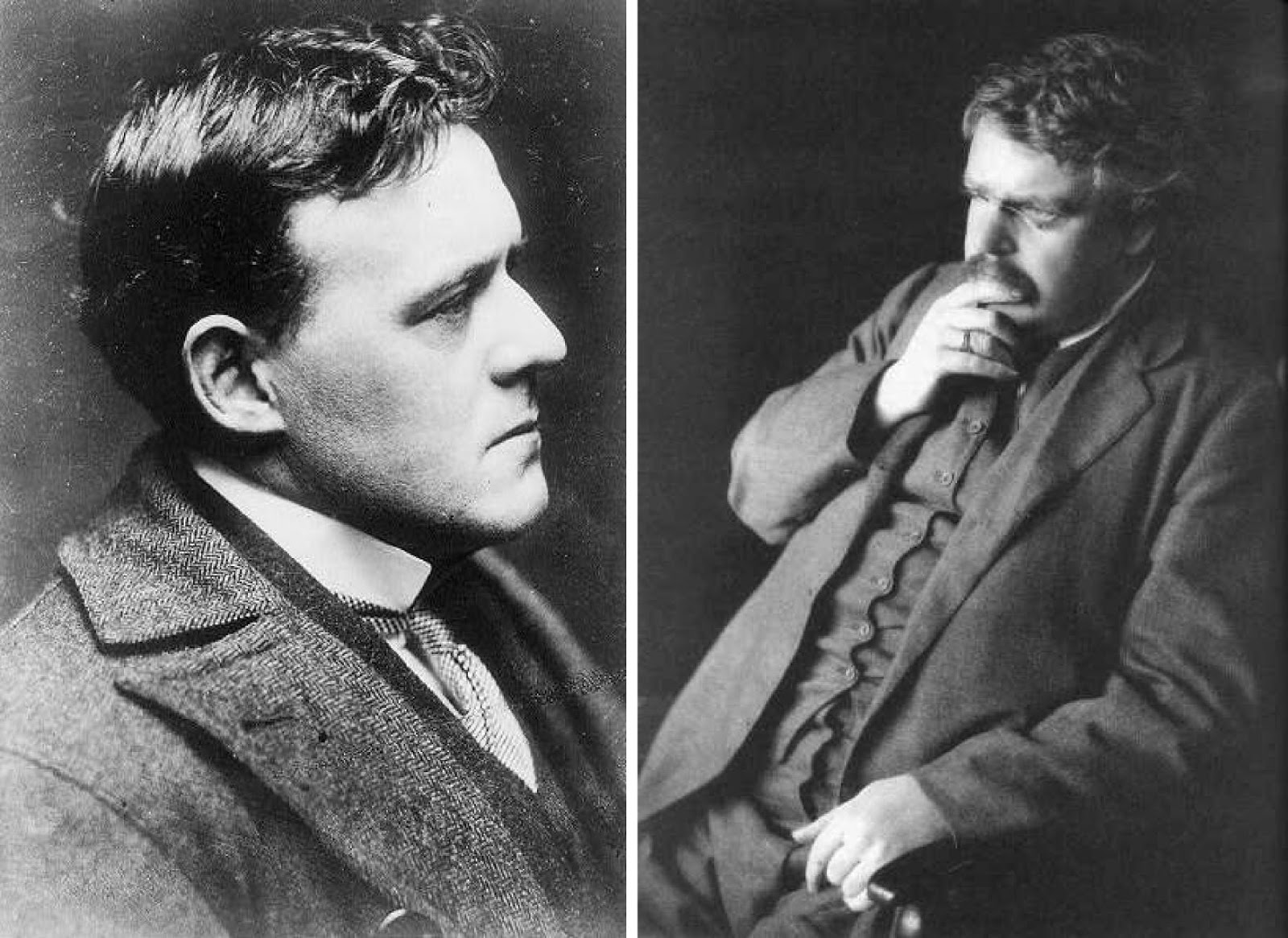
Distributism is an economic and political philosophy that is an alternative to both capitalism and socialism.
Opposed to laissez-faire capitalism, which distributists argue leads to a concentration of ownership in the hands of a few, and to state-socialism, in which private ownership is denied altogether, distributism was conceived as a genuine Third Way, opposing both the tyranny of the marketplace and the tyranny of the state, by means of a society of owners.
Distributism is an economic system in which a countryâs trade and industry are controlled by as many private owners as possible for the purpose of self-reliance for its citizens.
Distributism is concerned with improving the material lot of the poorest and most disadvantaged. However, unlike socialism, which advocates state ownership of property and the means of production, distributism seeks to devolve or widely distribute that control to individuals within society, rejecting what it saw as the twin evils of plutocracy and bureaucracy.
The ownership of the means of production should be spread as widely as possible among the general populace, rather than being centralised under the control of the state (state socialism) or a few large businesses or wealthy private individuals (laissez-faire capitalism). As Chesterton said, âToo much capitalism does not mean too many capitalists, but too few capitalists.â
Some have seen it more as an aspiration, which has been successfully realised in the short term by a commitment to the principles of subsidiarity and solidarity (these being built into financially independent local cooperatives and small family businesses).
Naturally, it follows that Distributism favours the principles of industrial democracy and the cooperative model of business.


“It is not the critic who counts; not the man who points out how the strong man stumbles, or where the doer of deeds could have done them better. The credit belongs to the man who is actually in the arena, whose face is marred by dust and sweat and blood; who strives valiantly; who errs, who comes short again and again, because there is no effort without error and shortcoming; but who does actually strive to do the deeds; who knows great enthusiasms, the great devotions; who spends himself in a worthy cause; who at the best knows in the end the triumph of high achievement, and who at the worst, if he fails, at least fails while daring greatly.”
~ Theodore Roosevelt
